A LA SOURCE DU CISTE DE CRETE
published on 2025-12-21[THE PERFUMER’S WORDS]
Cistus is the amber of the Mediterranean, scenting the maquis of its coasts and islands.
Its roots are an integral part of Corsica, Crete, and Cyprus.
The latter island gives its name to an archetypal accord in perfumery when traditionally combined with oakmoss, patchouli, and bergamot.
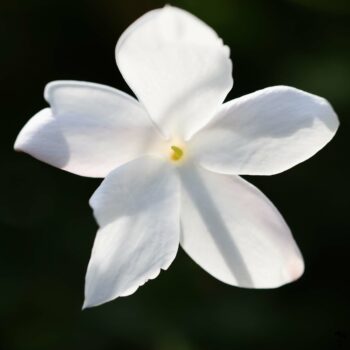
Its paper-like flowers, pink or white depending on the species, are odorless.
Meanwhile, its resinous body, which produces labdanum, releases scents of incense, dry woods, and powerful animalic notes, evoking sperm whale ambergris and the phenolic leather of castoreums.
The multiple extractions of this plant offer the creative perfumer a wide range of natural materials.
Cistus is a pyrophilous plant; like a phoenix, it is reborn from its ashes.
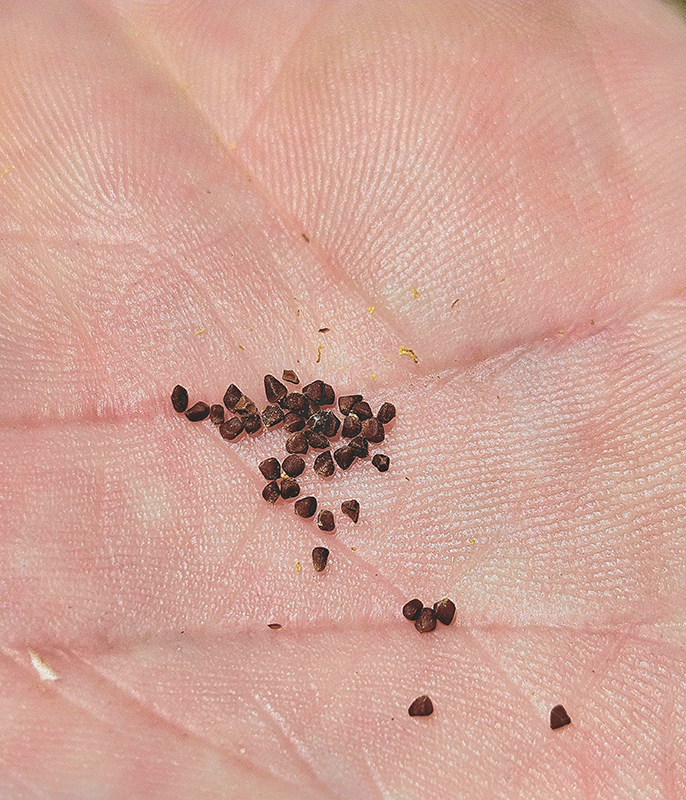
Its seeds germinate thanks to fire.
[FROM MATTER TO SPIRIT]
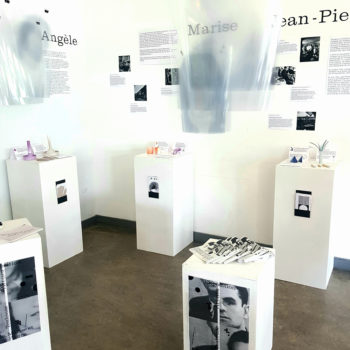
I wrote this text for the multisensory exhibition From Matter to Spirit, the first HALO created at the Alban Mainville Cultural Center in 2021.
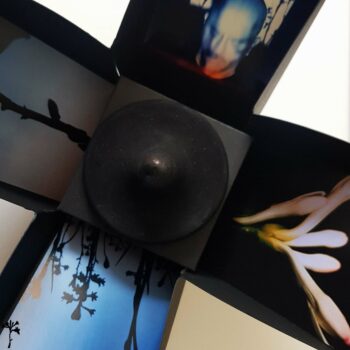
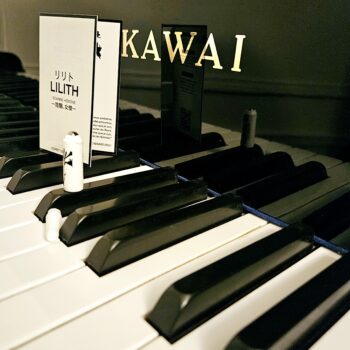
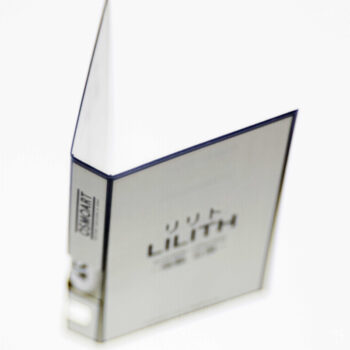
The plant was presented in an olfactorigami in its native form.
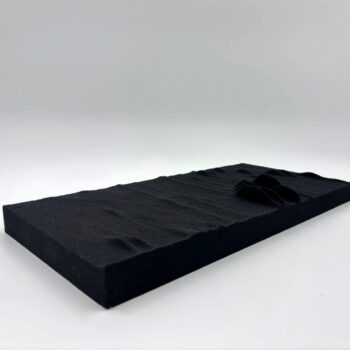
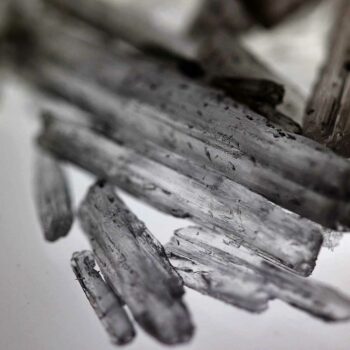
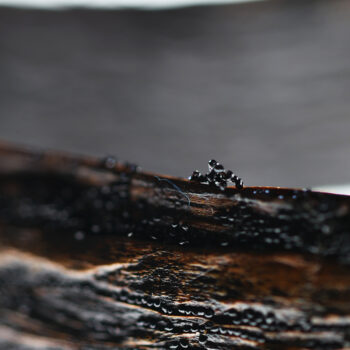
Today, this text and this manual olfactory diffusion system are paired with an image of a cross-section of the plant produced by electron microscopy—a black-and-white photograph printed on Japanese kozo paper.
This combination forms the exhibition MicrocOSMé [μικρόκ ὀσμή] ©osmoart, the result of one of my artistic olfactory reflections and of a precious encounter with photographers Didier Cot and Bertrand Rebière, from the collective [La couleur des électrons].
At the beginning of 2023, I connected with this duo to present my idea of creating electron microscopy images of natural raw materials used in the perfume industry.
[OLFACTORY JOURNEY]
Much earlier, in 2009, as a young perfumer, I discovered Cretan cistus.
Just as the orange tree is the perfumer’s magical tree, cistus could be considered the magical shrub, as it offers a broad palette of extracts.
Within the Grasse-based company Payan Bertrand, where I was working at the time, cistus and labdanum concretes are still processed using traditional methods, including techniques in which the gum-resin is cracked through pyrogenation.
Until then, my olfactory references were those of labdanum cistus and of a few formulas inspired by the quality from the Esterel massif, where it was once harvested and extracted in the Grasse region.
The variety Cistus labdaniferus var. maculata is found mainly in southern Spain, in Andalusia.
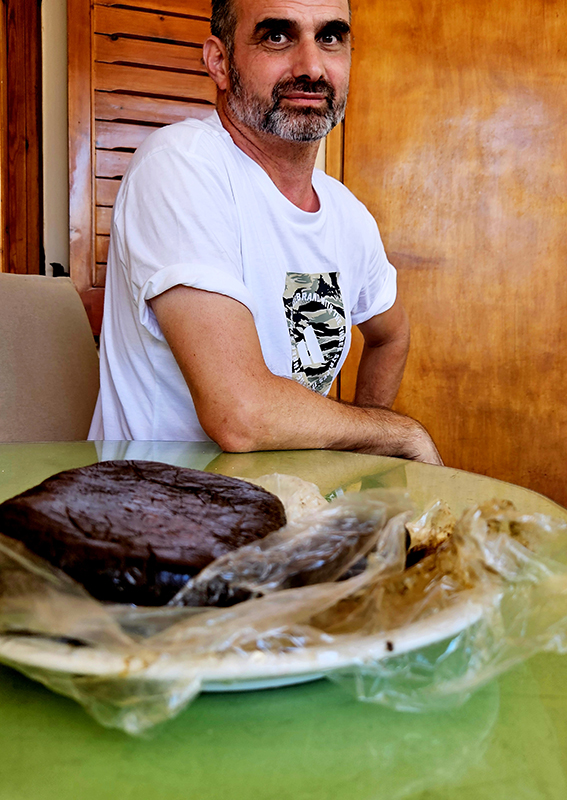
This passion for the botany of perfume plants naturally led me to Crete and to a friend, Dimitrio Nyktaris.
That year, he welcomed us— the OSMOART team, Fabrice Ferries (graphic and web designer of this site), and myself— for the first time on his island.
Then, in June 2025, sixteen years after that first visit, I was commissioned by Behave, a Nantes-based company sourcing natural raw materials for perfumery and aromatics, to establish connections with harvesters and to assess the potential of this product.
Maxence Piquart, Stéphane’s son, joined me on site.
[VEGETAL AMBER]
Cistus creticus, also referred to by botanists as C. incanus subsp. creticus, belongs to the Cistaceae family.
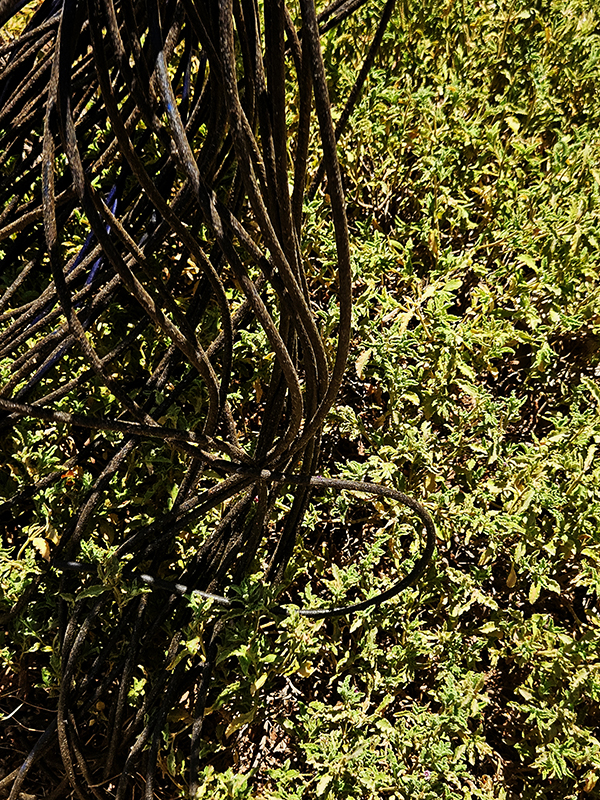
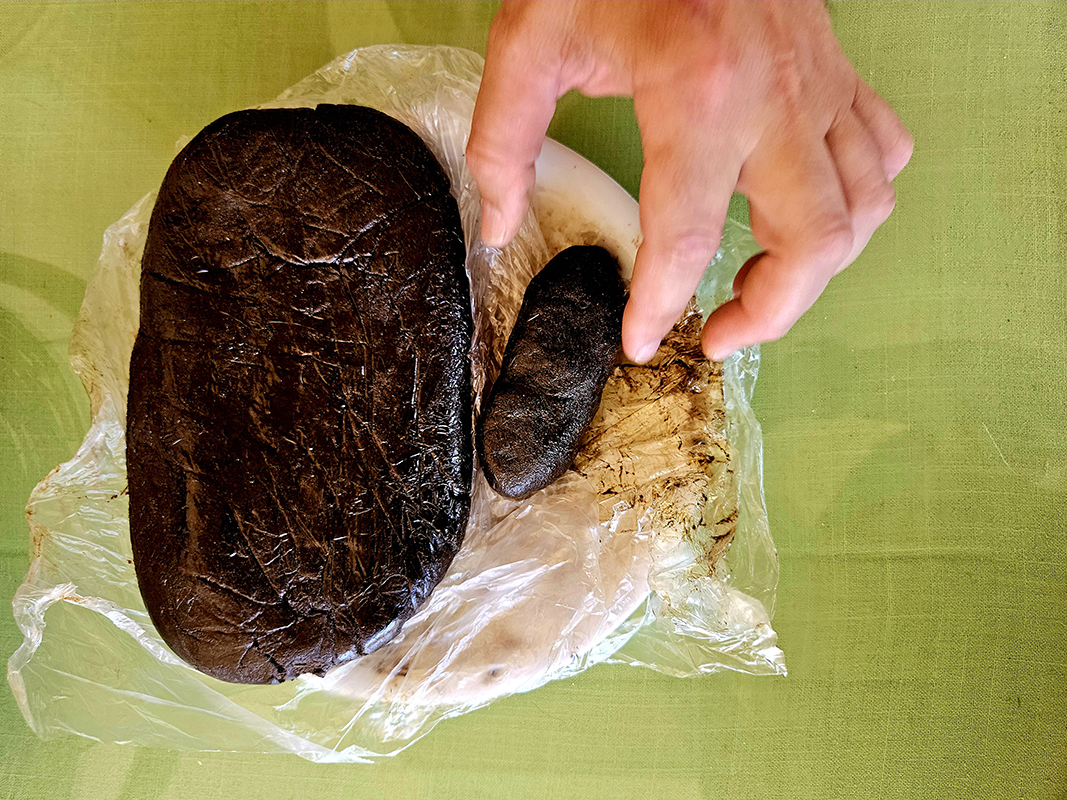
This Mediterranean shrub exudes a sticky, highly fragrant gum called labdanum.
The plant produces this substance mainly in summer, when solar radiation is at its peak in July and August.
It enables the plant to protect itself from excessive evaporation that would otherwise lead to wilting and death.
Its essence is unique, rich in ambreinol and ambrox molecules.
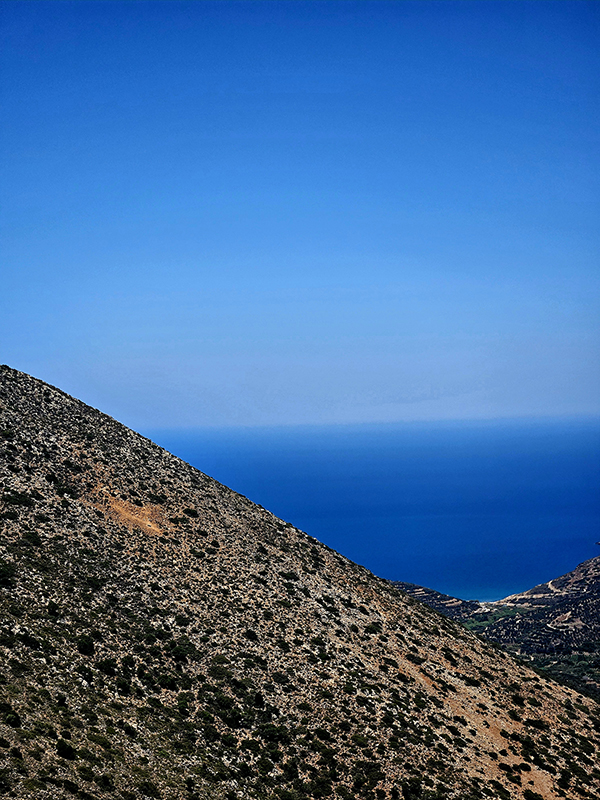
It perfumes the Cretan maquis within a very specific terroir facing the sea, on the northern edge of the Mediterranean.
This geographical position gives it an olfactory specificity that the Spanish variety does not possess.
It is more marine, closer to sperm whale ambergris.
Its nickname, vegetal ambergris, is fully deserved.
[ANCIENT AMBER]
Herodotus was among the first to report that cistus was already being exploited in his time.
Originally, a sticky substance secreted by the plant and coating its young leafy branches in hot weather—labdanum—was collected from the hair of goats roaming the dry, arid countryside.
This custom apparently endured, as later Dioscorides and Pliny recount identical practices.
[LADANISTERION]
During Antiquity, Crete exported labdanum; this substance represented a true source of wealth.
Cretan labdanum was therefore initially harvested using goats, which are still present on the island today for traditional Cretan farming practices.
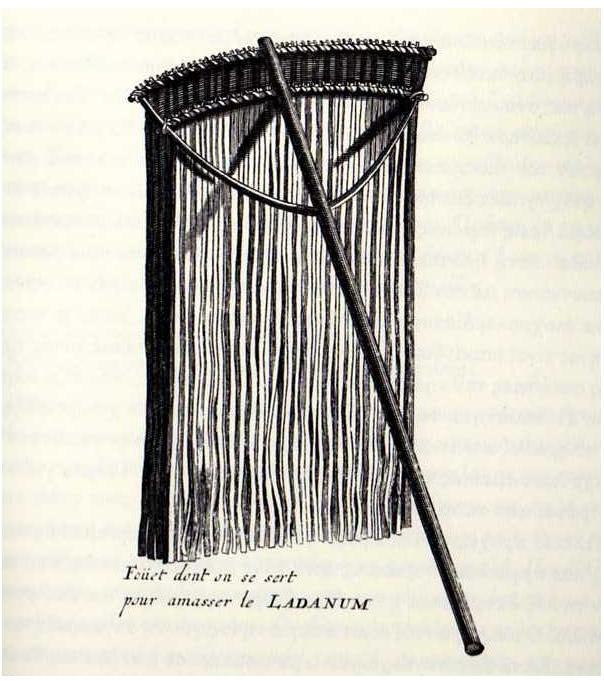
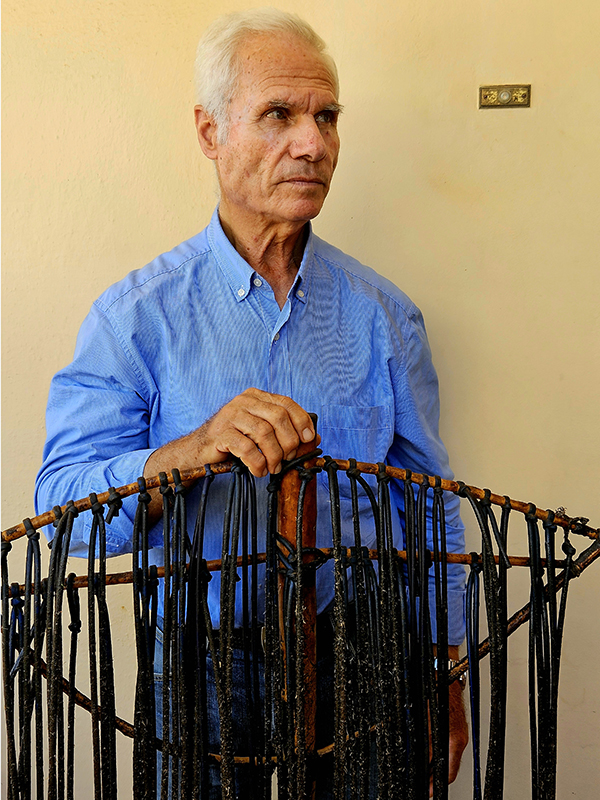
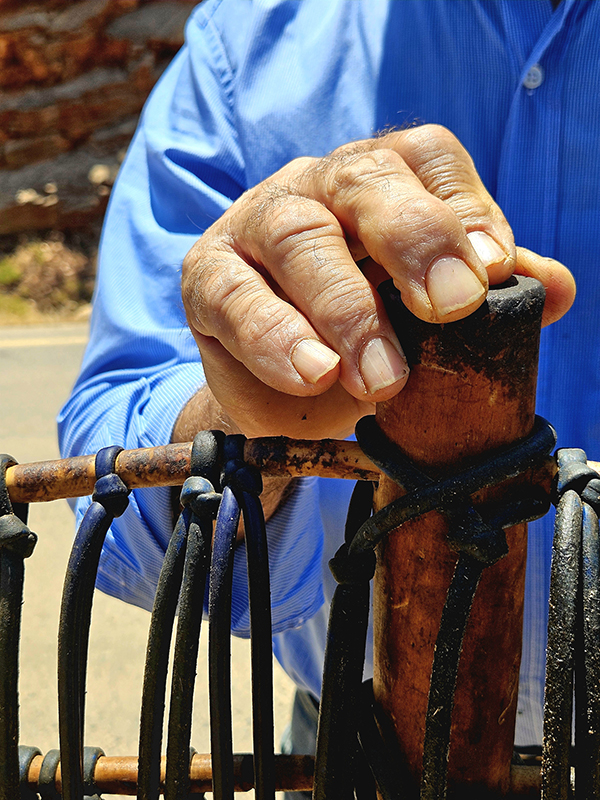
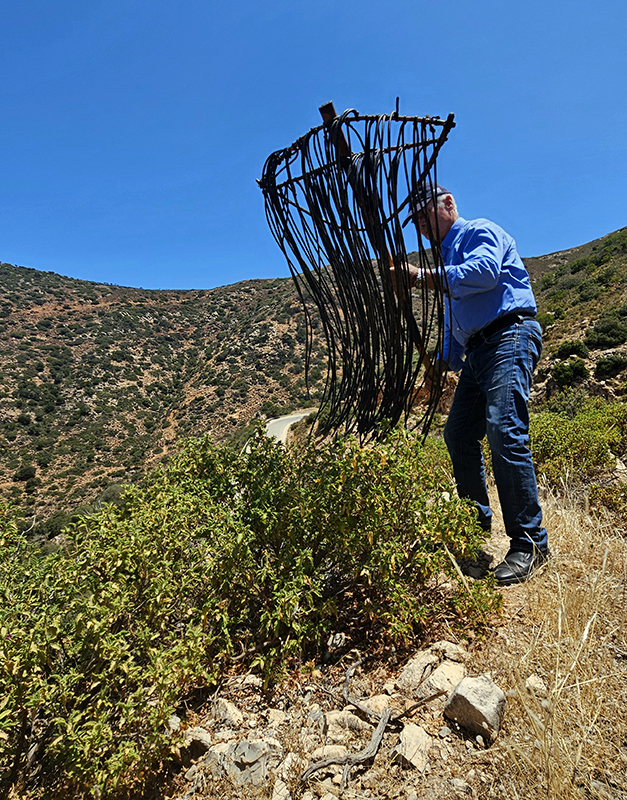
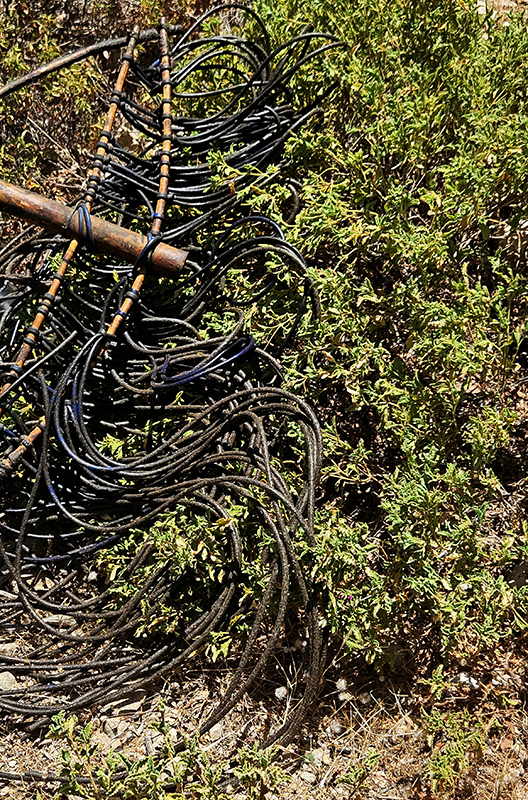
Subsequently, local ingenuity led to the invention of a specific tool: the ladanisterion.
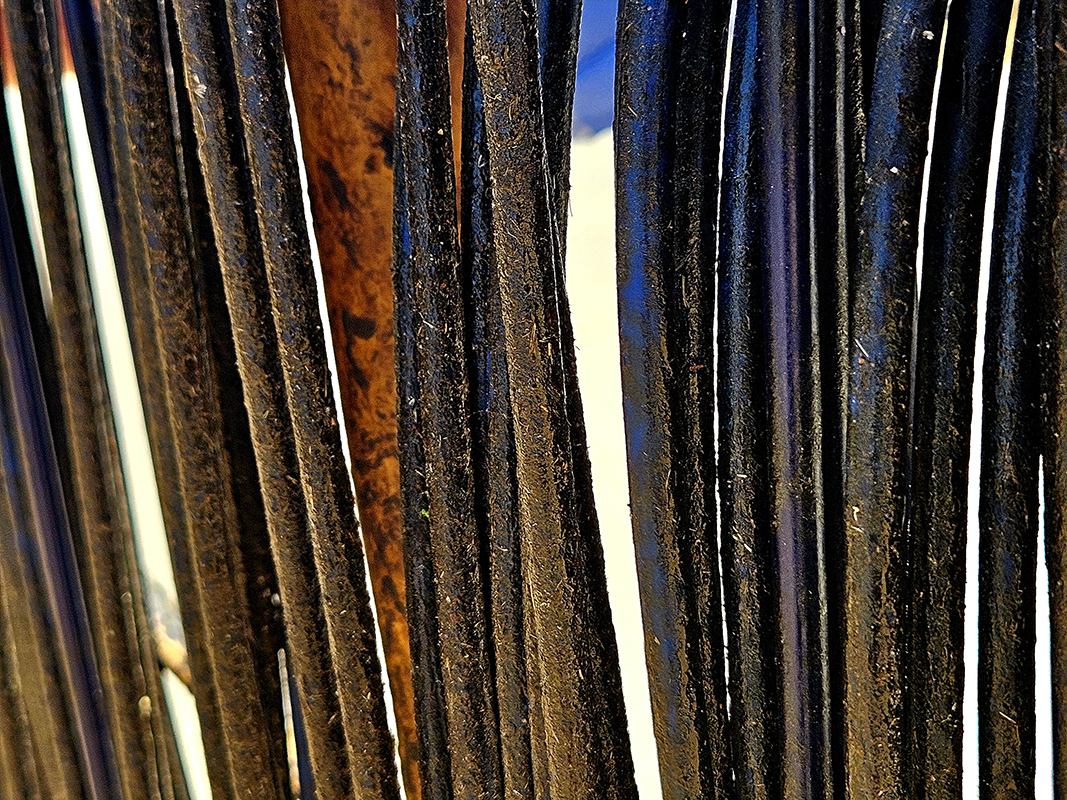
Its structure resembles that of a rake, but instead of teeth, it was fitted with long leather straps.
Using the ladanisterion, inhabitants brushed the cistus bushes, and the gummy resin naturally adhered to the leather.
I believe this process helped accentuate the distinctive leathery olfactory facet of labdanum.
This method is still used today and remains characteristic of this region of the Mediterranean basin.
It constitutes part of the olfactory heritage of Cretan culture.
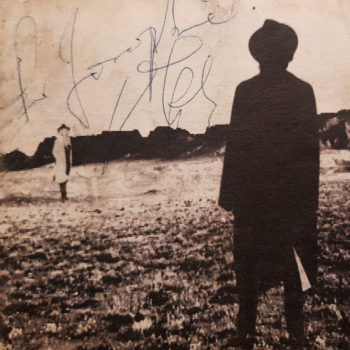
A sketch of this tool was made by Joseph Pitton de Tournefort during his visit to Crete between 1700 and 1702.
Following this new journey, Dimitrios Nyktaris shared these words with me, which I now share with you as well:
*“You know what? Three great French naturalists passed through Crete and recognized the value of labdanum!
The first was Pierre Belon (1517–1564), followed by Joseph Pitton de Tournefort (1700–1702), and of course, last but just as important, Pierre Bénard (2025) — you!Crete continues to hide secrets and wonders that are discovered again and again!
I am truly happy to be part of this story!”*
I am truly happy about this olfactory adventure!
Pierre Bénard Ségu
[PERFUME SEMINAR]
In 2026, we are organizing a perfumery training course over a week-long seminar in Crete.
For seminar information, please contact: osmoart@gmail.com